Paint Correction & Protection
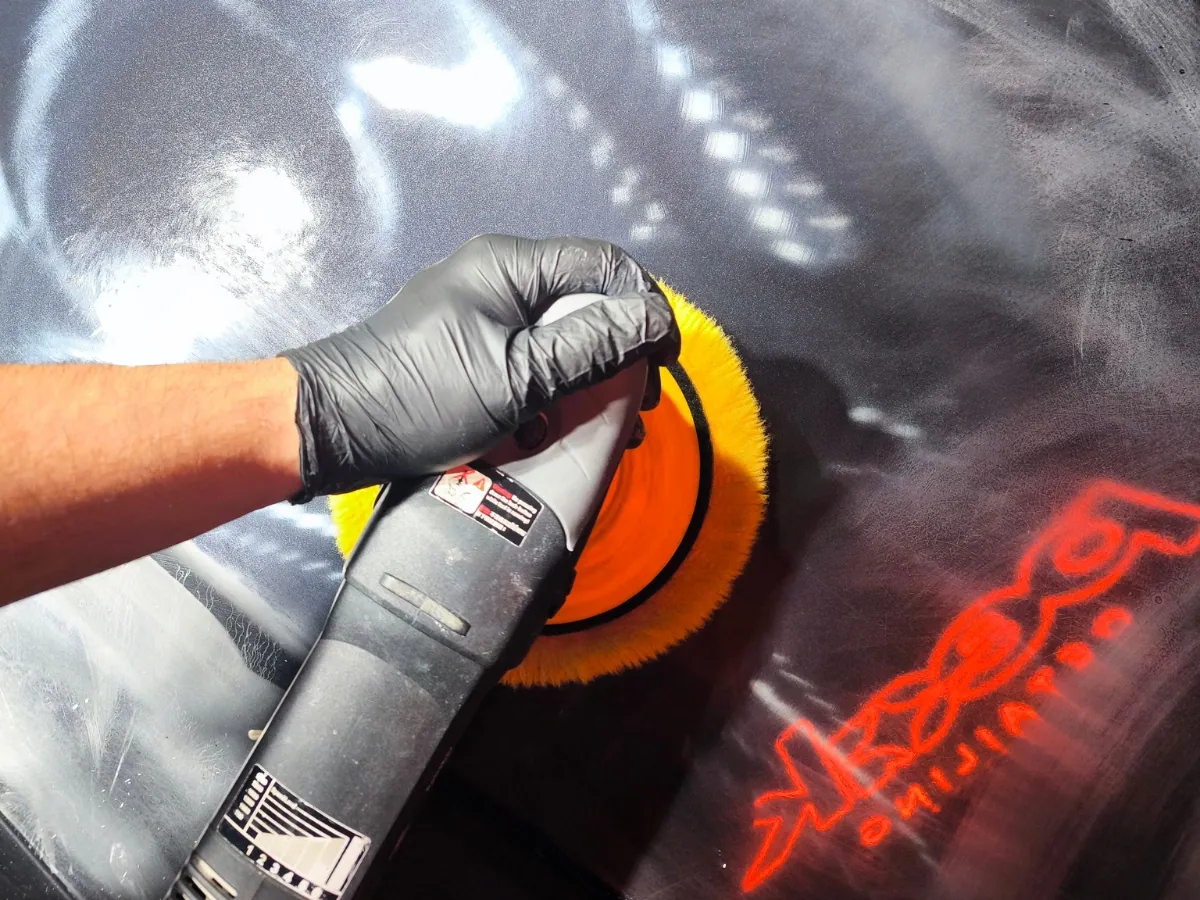
Peak Detailing is a car protection studio applying machine paint correction in its enclosed, climate-controlled studio in Sarıyer, İstanbul; we serve Maslak, Levent and the surrounding area. Paint correction permanently removes dullness, holograms and swirl marks, restoring the paint to its original depth and glass-like gloss. The process is completed with digital paint-thickness measurement, a test section, staged polishing and a handover inspection under inspection lighting.
The right paint correction for each defect
Proper polishing starts with a clean surface. To achieve maximum correction while protecting the paint, we run the process in three controlled stages.
-
01
Surface Decontamination
Iron-fallout removal and a clay bar treatment lift every metallic particle, contaminant and invisible deposit from the surface.
-
02
Digital Thickness Measurement
The paint reserve of each panel is measured, and the correction limit is mapped out with precision.
-
03
Three-Stage Polishing
Using a pad and compound chosen for each surface's defect level, maximum correction is applied while preserving paint thickness.
The Paint Correction Studio Process
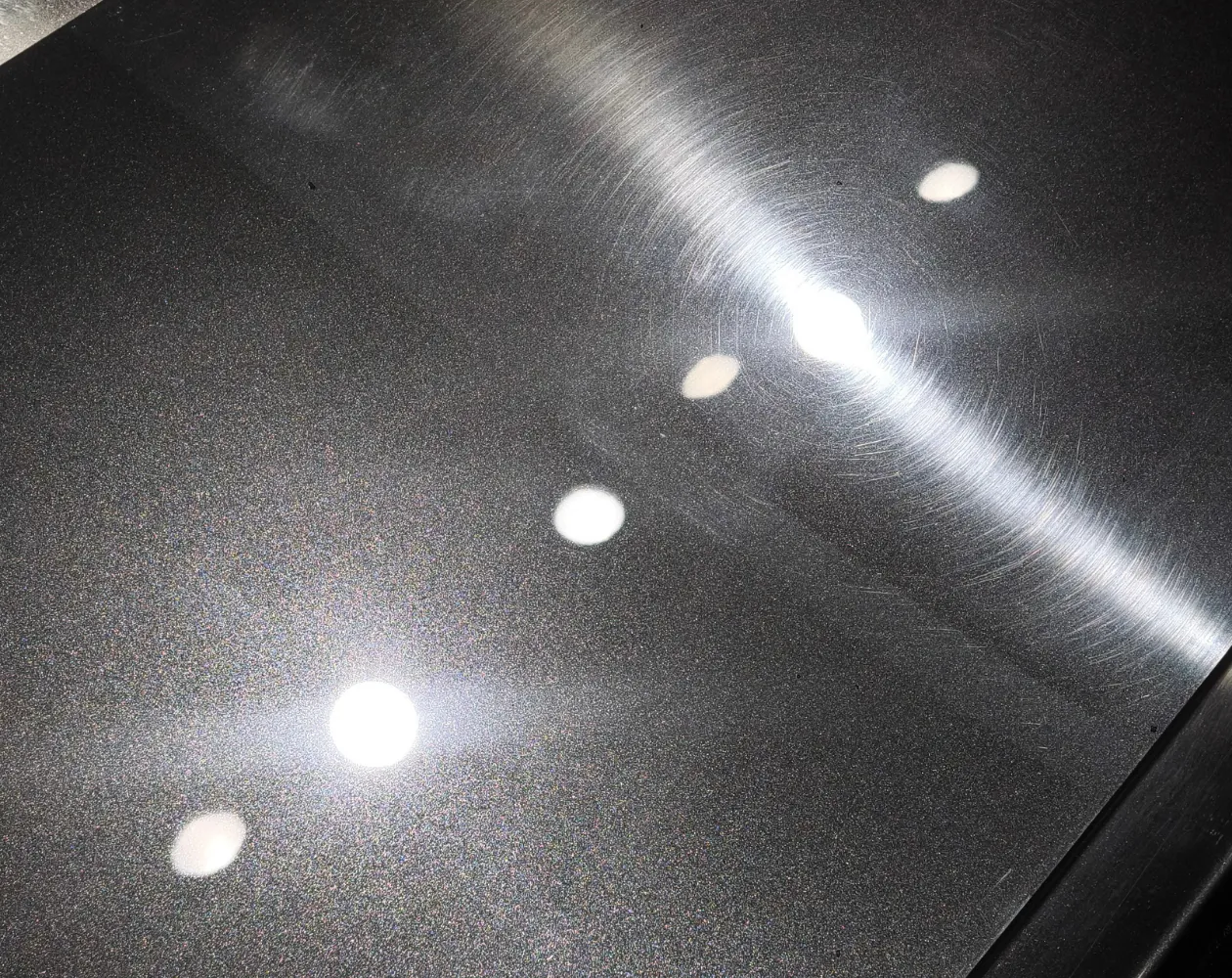
Paint correction does not change the paint — it removes defects from the clear coat, and clear coat is a finite resource that cannot be put back. That is why the process begins and ends with measurement.
-
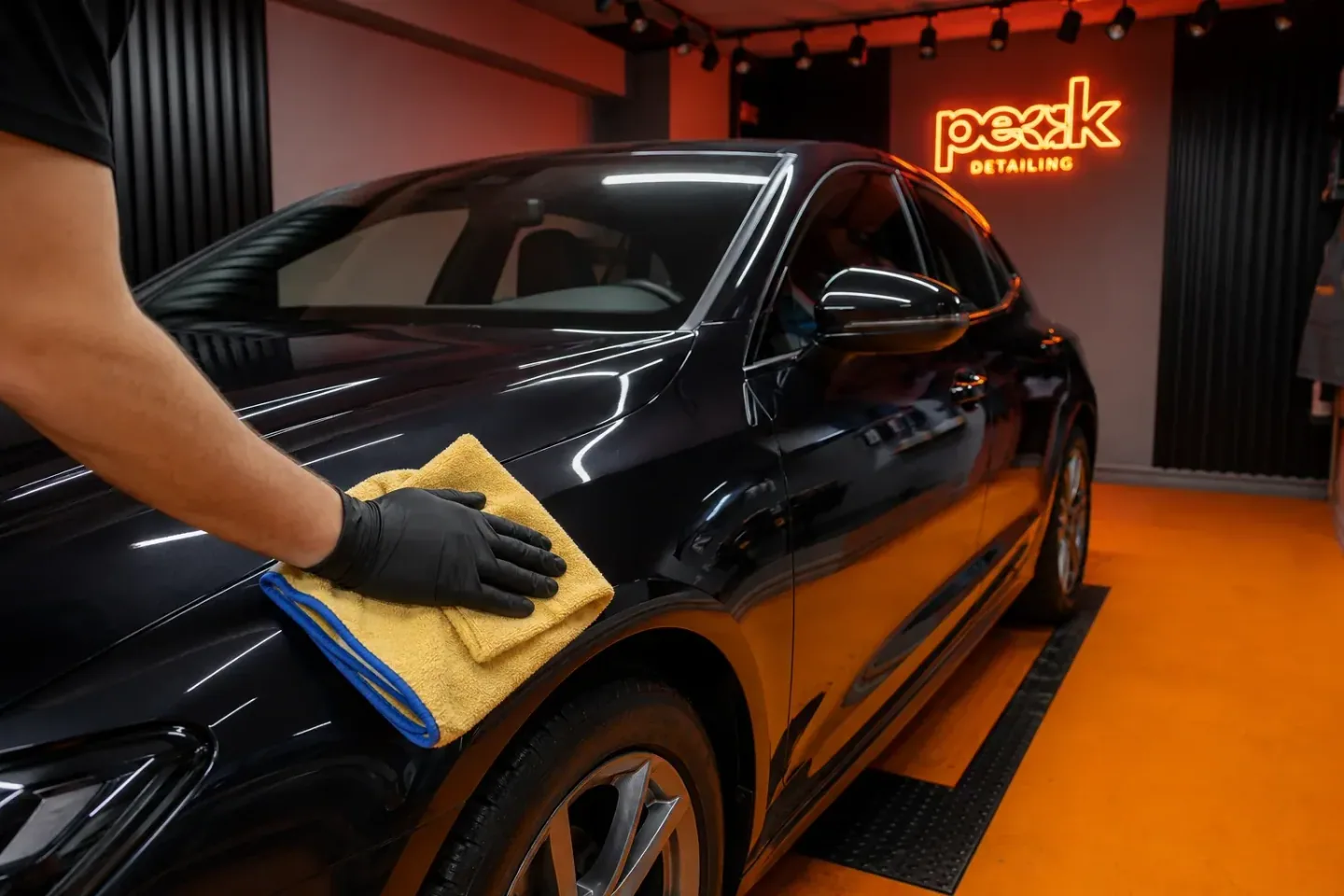
Surface Decontamination
Clay treatment and chemical decontamination remove iron fallout and bonded residue. Polishing an uncleaned surface drags that residue across the paint and creates fresh marks.
-
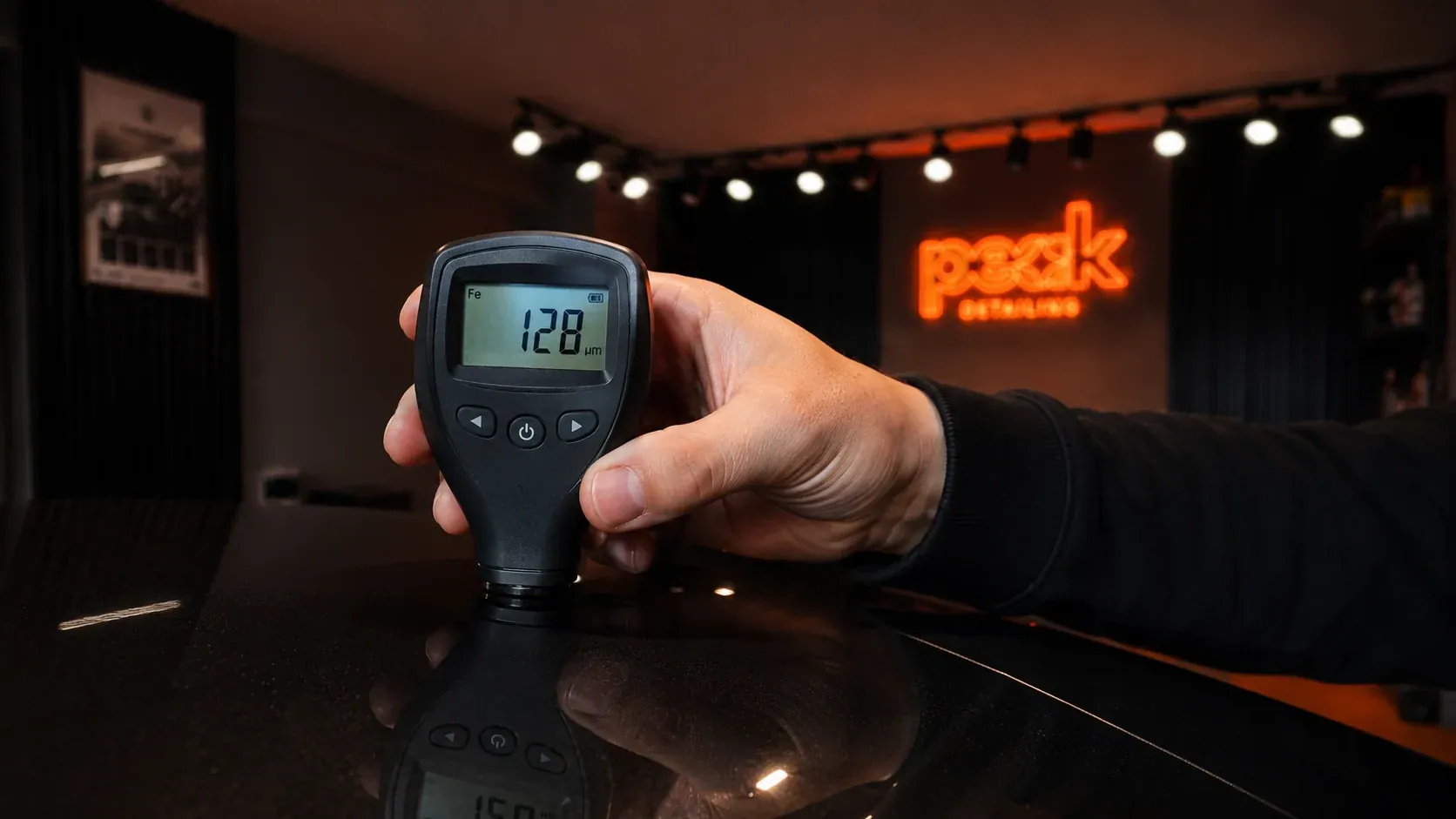
Digital Thickness Measurement
Before any work, each panel’s paint thickness is measured and recorded. That record sets the limit of how much can be worked on each panel.
-
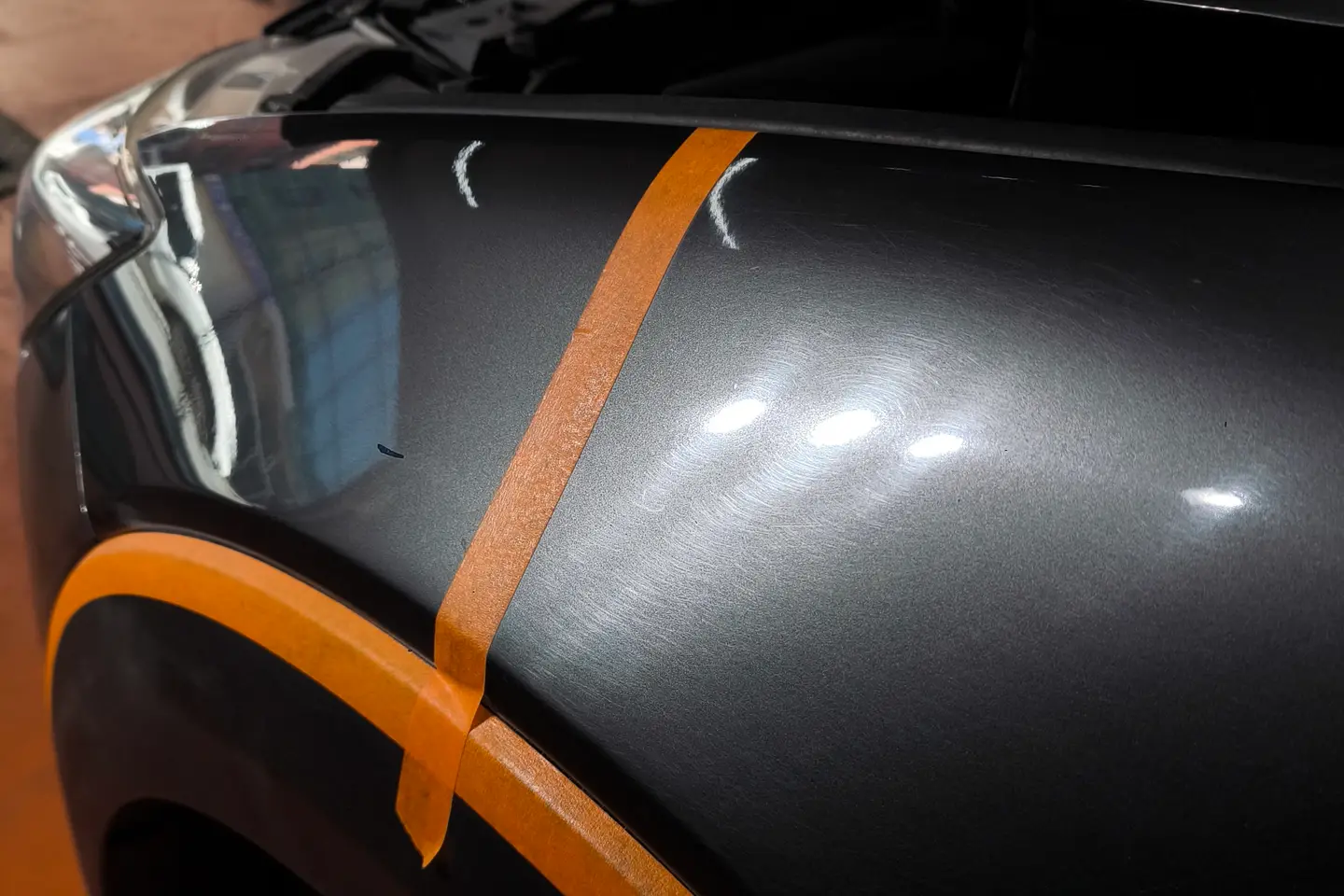
Test Section
Different compound and pad combinations are trialled on a small area, and the one that removes the defect with the least material loss is chosen. No single recipe is applied to the whole car.
-
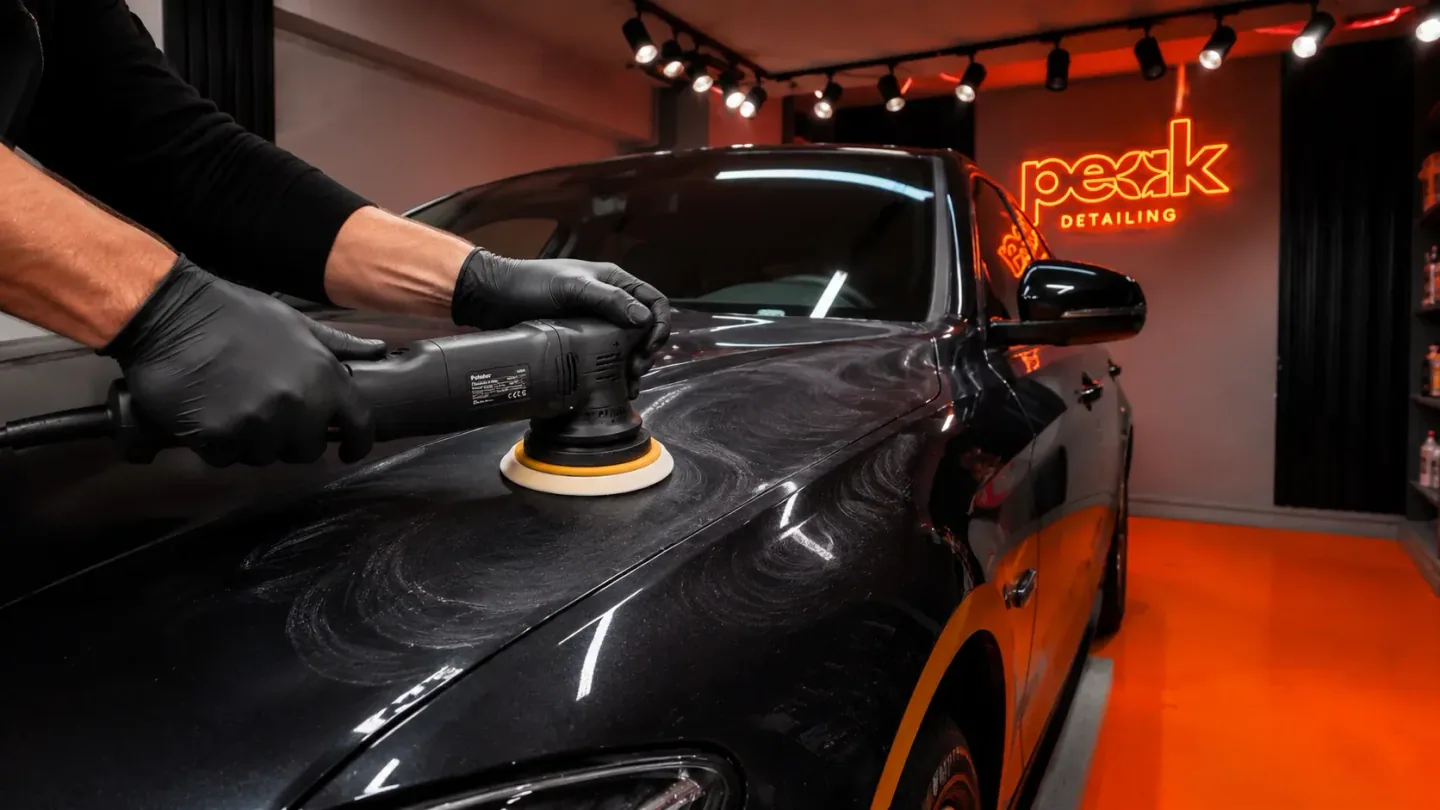
Staged Polishing
Work proceeds in stages with the chosen combination, from cutting through to fine finishing. Each stage is checked against removing too much material.
-
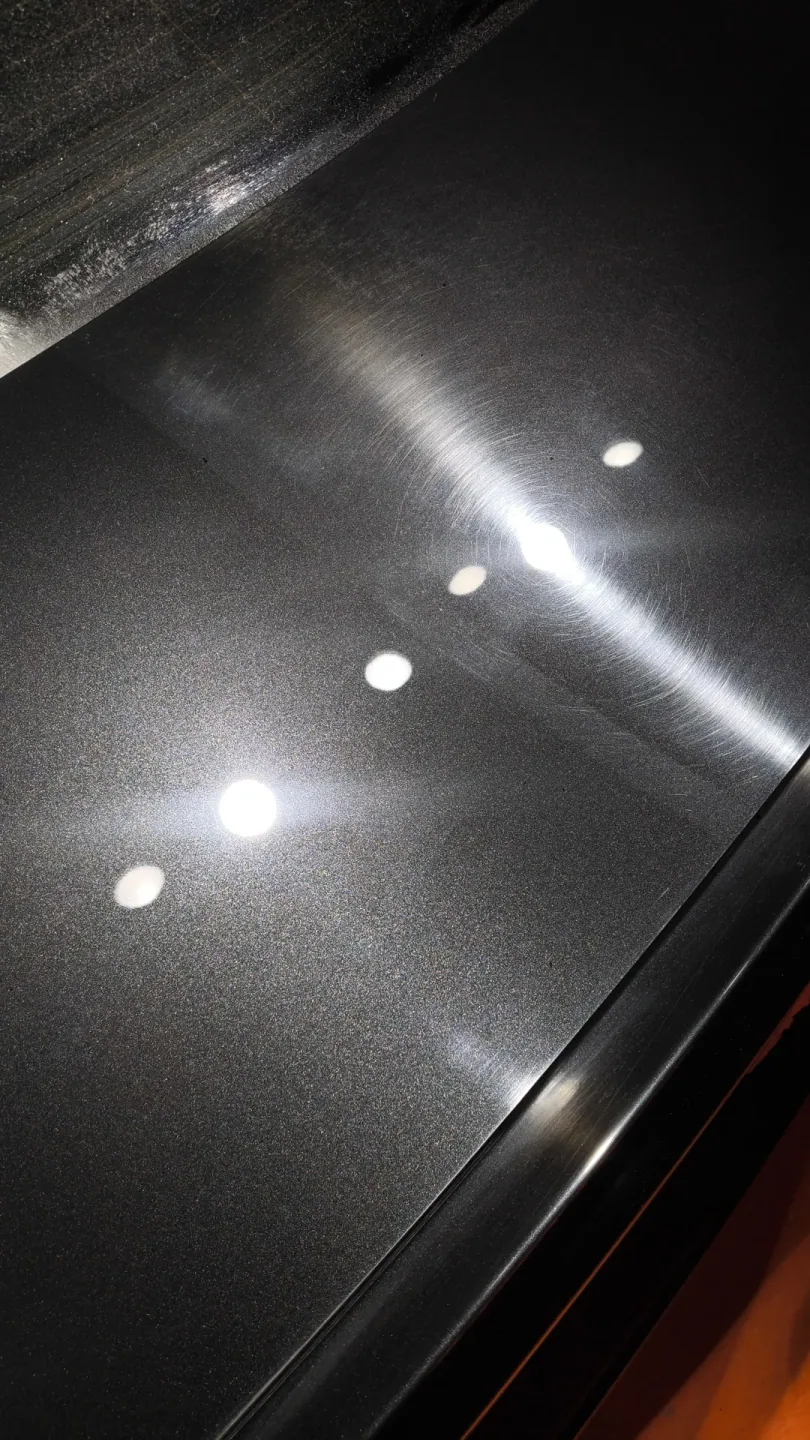
Light Inspection and Post-Measurement
Remaining marks, haze and any new defect are examined under inspection light, and thickness is measured again afterwards. How much was removed from each panel goes on record.
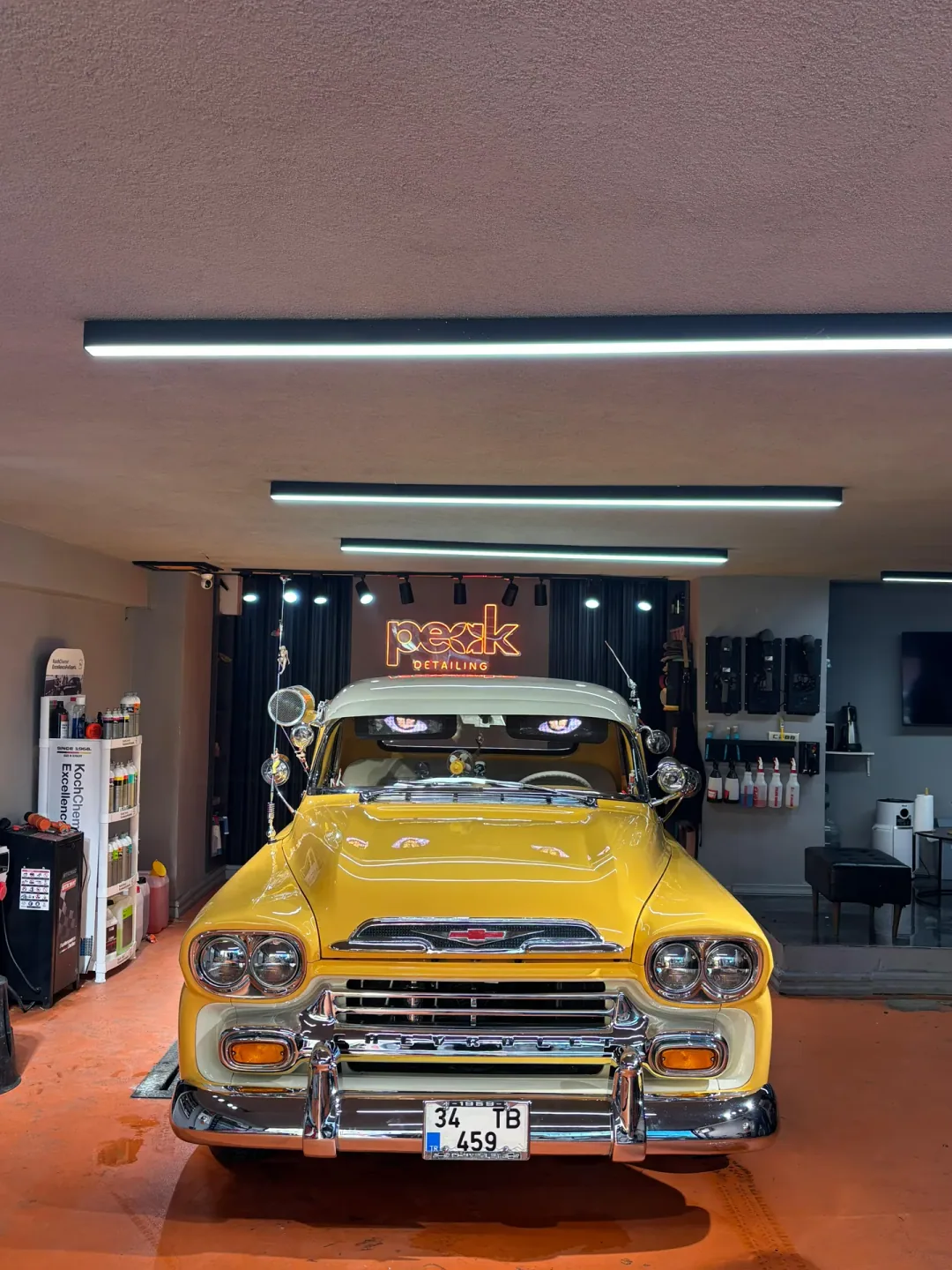
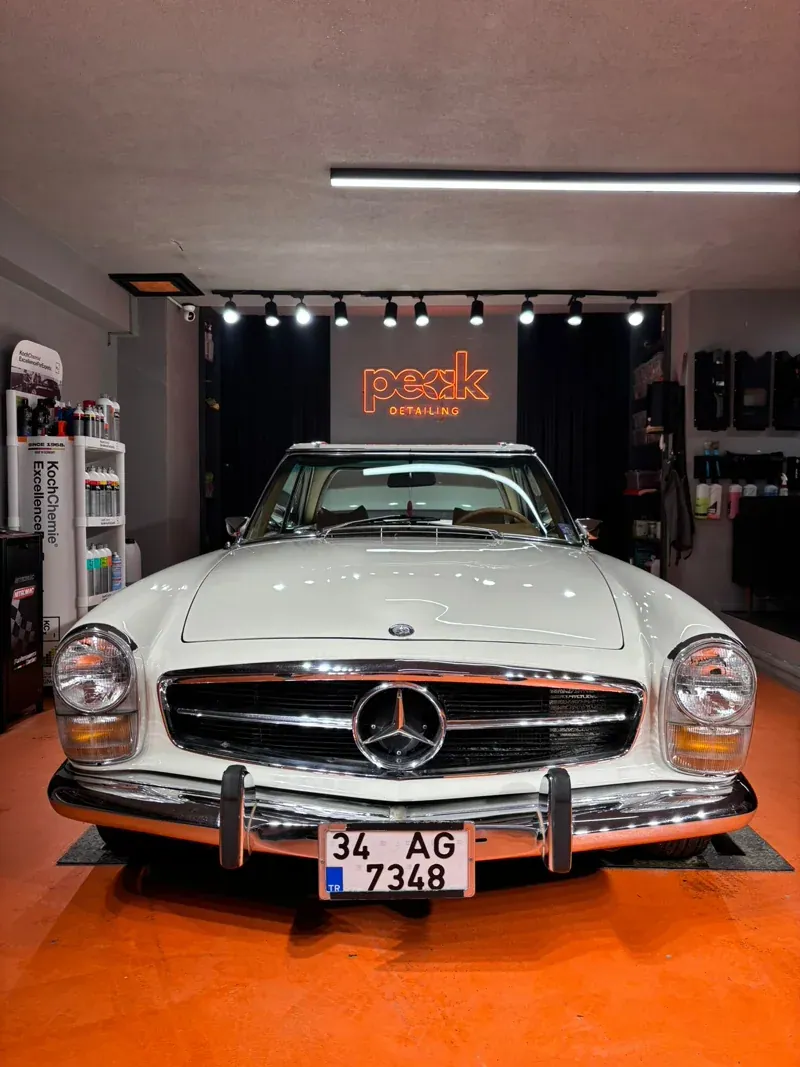
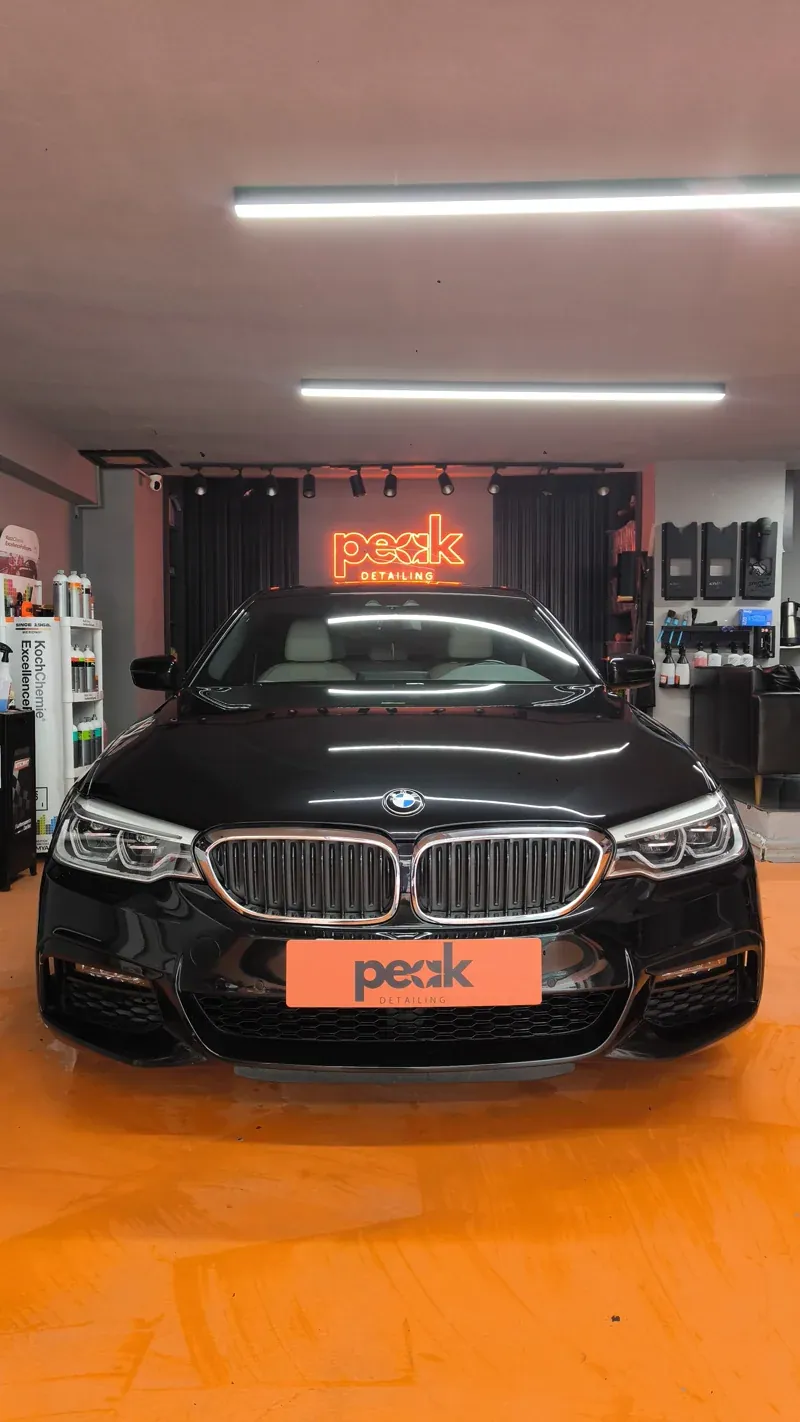
Our Paint Correction Applications
Paint Correction Q&A
How much does paint correction cost?
Instead of a fixed list price we quote per car: the price is set at a free pre-inspection based on paint condition, panel count and the number of stages needed. Paint thickness is also measured digitally during the inspection.
What are swirl marks and what causes them?
Swirl marks are the halo-like appearance created when thousands of fine scratches in the clear coat scatter light. The most common cause is incorrect washing: brush-type automatic washes, the single-bucket method, harsh sponges and dirty microfibre. Because the marks sit in the clear coat rather than the paint itself, they can be polished out.
How many polishing stages are needed?
The number of stages depends on how deep the defects are. A single stage (finishing polish) is enough for light haze and dullness; two stages combine cutting and refining for mid-level swirl marks; three stages are used for deep scratches and heavy oxidation. The right number is decided at the pre-inspection under inspection lighting, together with a paint thickness reading.
Is protection necessary after paint correction?
Not mandatory, but it extends the life of the correction. Polishing removes defects from the clear coat; it does not leave a barrier against new ones. Applying ceramic coating afterwards makes the surface hydrophobic, so dirt clings less and the risk of new swirl marks during washing drops. PPF, on the other hand, provides physical protection against stone chips.
Why is paint thickness measured?
The clear coat is finite, and every polish removes microns from it. A digital thickness reading shows how much margin the panel has and where the safe working limit is. On repainted panels or ones with thinned clear coat especially, working without this measurement puts the factory paint at risk; readings are recorded before and after the work.
Does a brand-new car need paint correction?
Usually yes. New cars are often delivered with light haze and transport marks caused by dealer prep, transport and storage conditions. On a new car a single light stage is typically enough; the aim is not to thin the paint but to reveal the factory gloss.
How long does it take?
It is planned according to defect level and the number of stages; for multi-stage corrections the car usually stays in the studio for 1–2 days. The exact schedule is shared at the pre-inspection.
Is the result permanent?
Removed swirls and haze do not come back on their own; new marks only form if incorrect washing habits continue. To preserve the result we recommend proper washing and, if you wish, a protection application.
Does polishing damage the paint?
Not when done under control: paint thickness is measured before and after on every panel, the intervention limit is defined and the factory paint is preserved. The goal is to remove clear-coat defects, not to alter the paint.
Everything you want to know about paint correction & protection — pricing, application time, care and technical details — is on our FAQ page.
Bring Your Paint Back to Factory Finish
Permanently remove swirl marks, oxidation and water spots with professional paint correction. Book today for a free paint thickness measurement.