
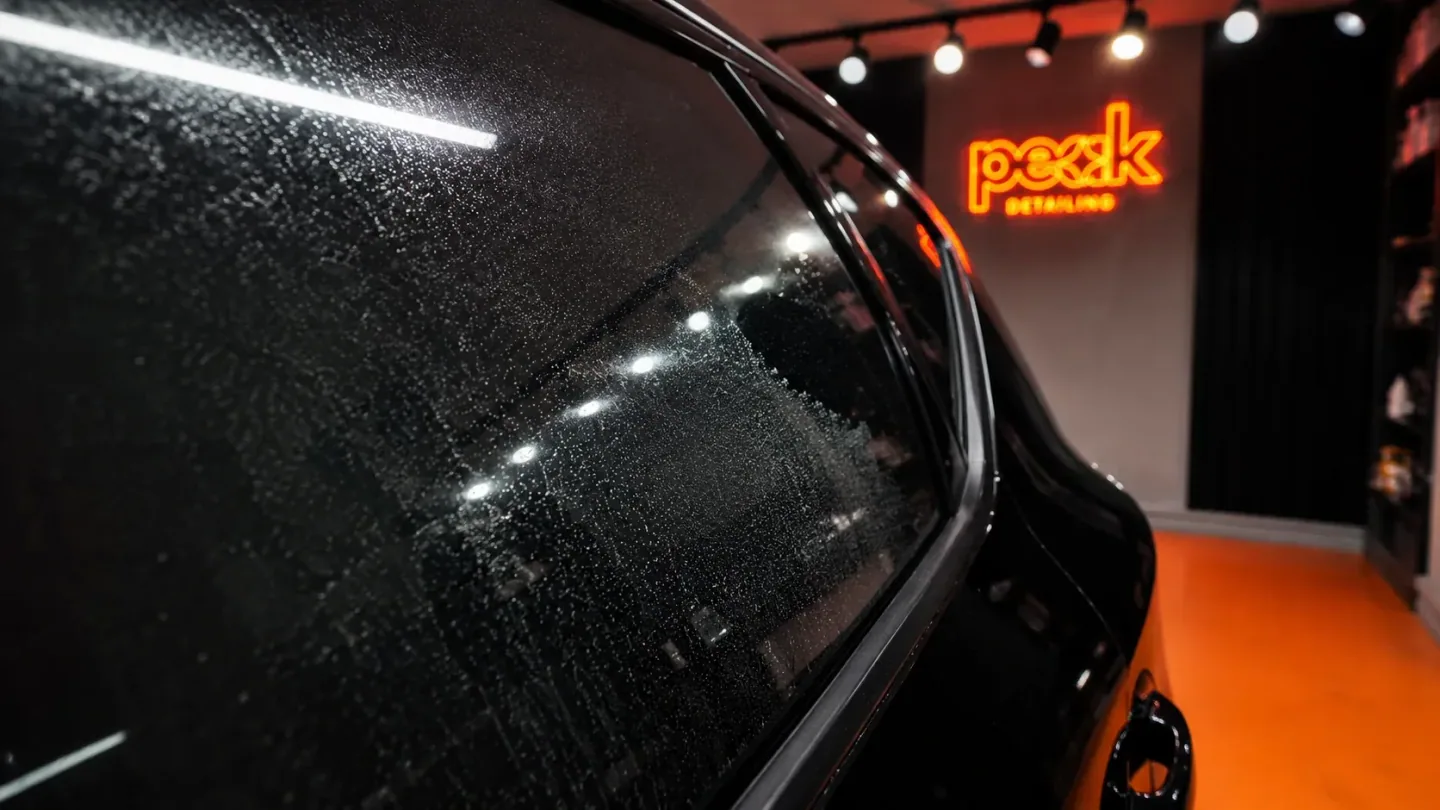
What Problems Does Automotive Window Film Help With?
Window film is a thin film layer that helps reduce the solar energy, glare and UV exposure entering the cabin through the car's windows. When the right product is chosen, driving comfort, the protection of interior trim and privacy expectations can be managed in a more balanced way.
- Heat control: Products with a high TSER value can reduce the total solar energy entering the cabin.
- UV exposure: Premium lines can offer high UV-blocking values; the current product document should be taken as the basis.
- Reducing glare: A suitable VLT choice can reduce morning and evening sun glare.
- Interior protection: It helps slow sun-related wear on leather, plastic and fabric surfaces.
How Does Window Film Work?
Window film can consist of polyester-based layers, an adhesive, dye or ceramic particle technology and protective surface layers. The film technology jointly affects visible light transmission, infrared energy rejection and total solar energy performance.
What Do VLT, UV Rejection, IR Rejection and TSER Mean?
The technical values most often encountered when choosing window film are VLT, UV rejection, IR rejection and TSER. ISO 13837:2021 defines test methods for determining the light and solar energy transmittance of safety glazing used in road cars.
Determines how light or dark the glass appears.
Indicates how much of the ultraviolet rays are blocked.
Refers to the infrared energy that contributes to the sensation of solar heat.
Shows the proportion of total solar energy prevented from entering through the glass.
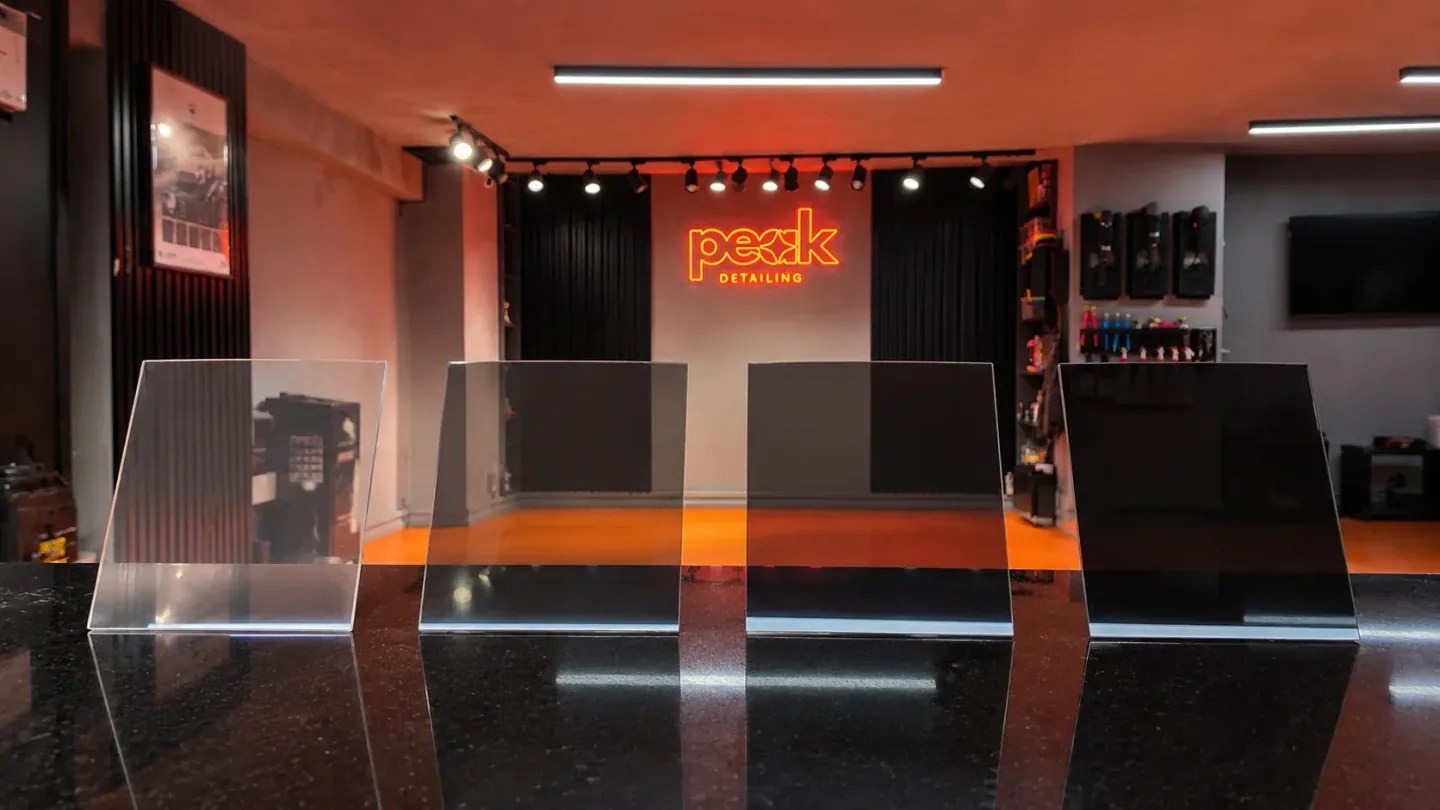
What Is VLT?
VLT (Visible Light Transmission) is the proportion of visible light that passes through the glass-and-film combination. The higher the VLT, the lighter the glass appears; the lower it is, the darker it looks.
What Is UV Rejection?
UV rejection indicates how much of the ultraviolet rays are blocked. Window film is not a medical product and is not a substitute for sun-protection measures.
What Are IR Rejection and IRER?
IR rejection is a performance value relating to infrared energy. IRER is a more comprehensive indicator that also takes into account the energy absorbed and re-radiated in the 780–2,500 nm range.
What Is TSER?
TSER (Total Solar Energy Rejected) refers to how much of the total solar energy load the glass-and-film combination rejects.
| Value | What it describes | What it means for the user | What to watch out for |
|---|---|---|---|
| VLT | Visible light transmission | Light or dark appearance of the glass | Night vision and legal assessment |
| UV rejection | Ultraviolet blocking ratio | Supporting protection for interior trim | The product line's official document should be checked |
| IR rejection / IRER | Infrared energy performance | Helps reduce the burning sensation of the sun | The measurement range and method may differ |
| TSER | Total solar energy rejection | A benchmark for comparing overall heat load | Glass type and test method should be considered |
When choosing window film, look at TSER and VLT first; read the IR value together with the wavelength range used.
What Are the Types of Window Film?
Automotive window films can be produced with different technologies. Each category offers a different balance in terms of price, optical clarity, color stability, heat control and compatibility with electronic signals.
Provides darkness and privacy.
Provides solar control with metal layers.
A metal-free, carbon-based structure aiming for a balanced appearance.
High solar control and electronic signal compatibility.
Differences Between Ceramic Window Film and Other Film Types
Ceramic window film is a premium product group designed to provide solar control and optical clarity without containing metal. It can offer different combinations of VLT, TSER and IRER in light or dark tones.
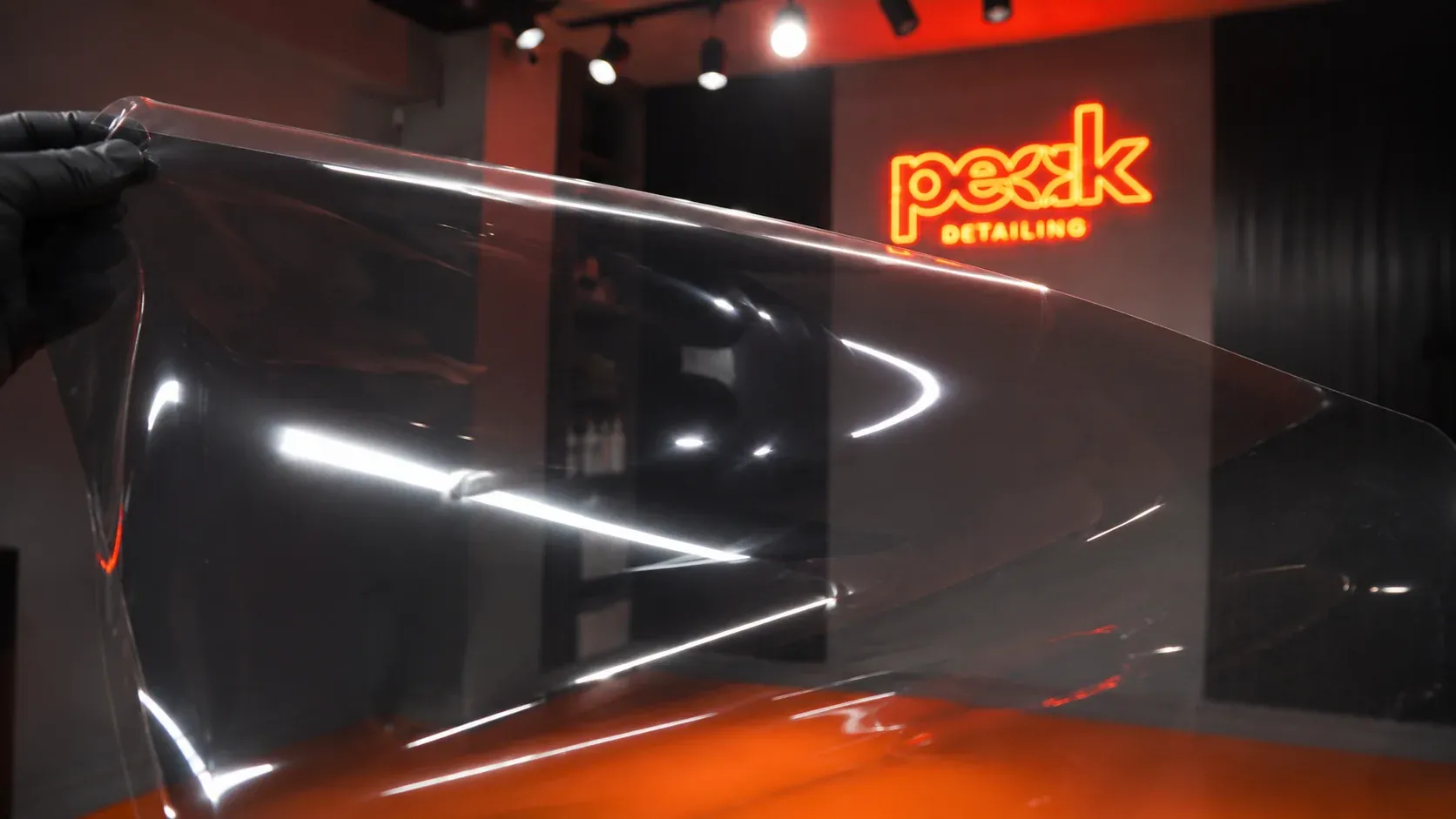
What to Consider When Choosing Window Film in İstanbul
- VLT: It matters in terms of the light/dark appearance of the glass, night vision and legal assessment.
- TSER: It is one of the first metrics to look at when comparing total solar energy load.
- Product document: The current technical document and warranty conditions should be checked.
Is Automotive Window Film Legal in İstanbul? What to Consider in Terms of Regulations?
Legal assessment can vary depending on the glass to which it is applied, its effect on visibility and current regulations. Particularly for the windshield and front side windows, up-to-date verification should be made through official sources. For details: Is window tint illegal in Turkey? 2026 fines & legal limits.
What Determines the Price of Window Film?
The price of window film varies depending on car type, number of windows, film line, the need for removal, preparation and the level of workmanship. For package-based starting prices and what sets the price, see our Window Film Prices 2026 Istanbul guide.
Which Cars Make Sense for Window Film?
Window film becomes more meaningful for cars that sit in open parking lots, have dark interior trim, are used in long traffic, or for which premium interior protection is expected.
Why Does Window Film Matter in İstanbul Conditions?
In İstanbul, summer heat, open parking, traffic and reflections along the coastline can directly affect cabin comfort.
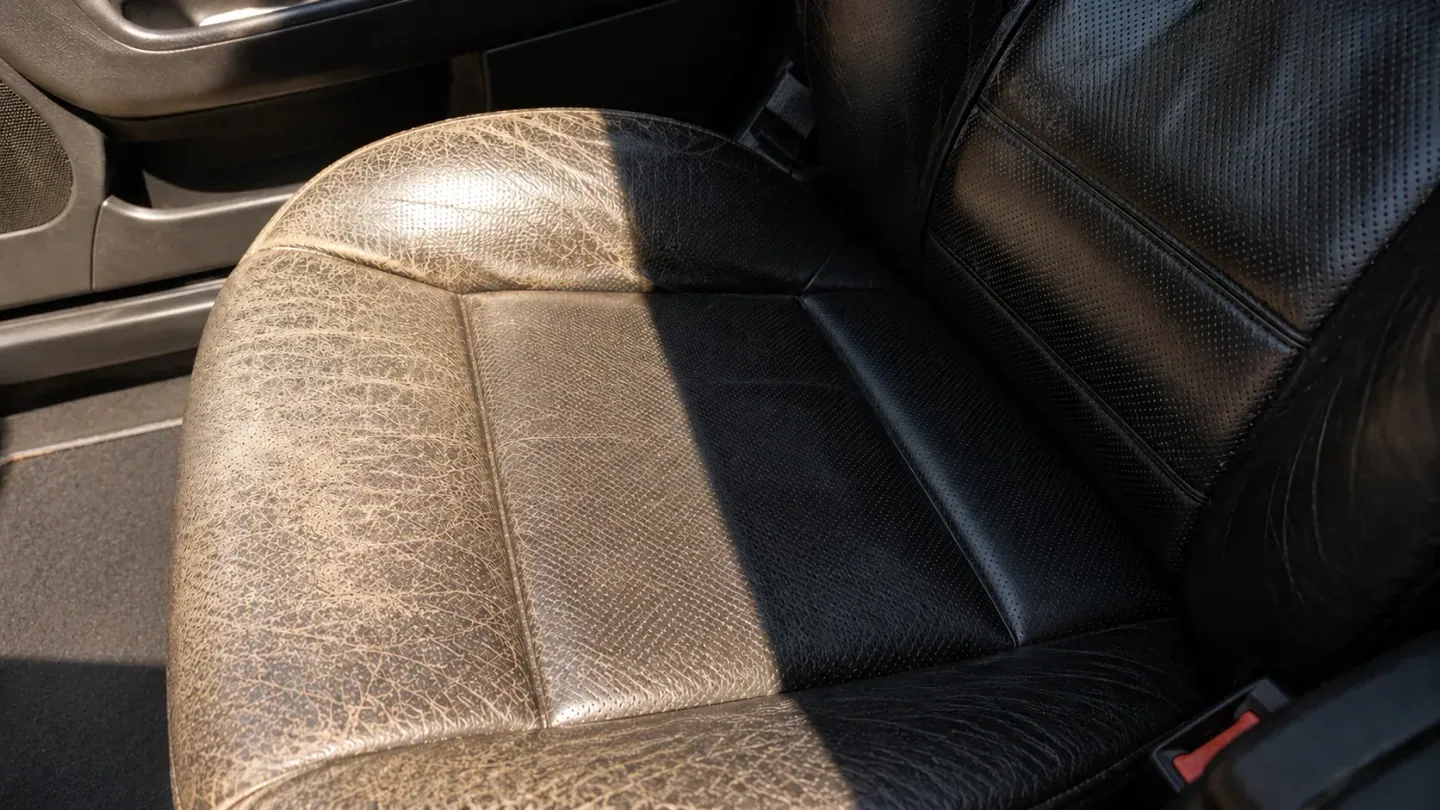
- Cabin heat build-up becomes more pronounced in cars left in open parking lots.
- Long periods in traffic increase how long the driver is exposed to the sun and glare.
- In premium cars, the long-term appearance of the interior trim becomes a more important expectation.
For cars left in open parking under the sun around Maslak, our window film in Maslak page covers area-specific details.
How Can You Tell a Good Window Film Application?
A good result does not depend on the film brand alone. The application environment and workmanship directly affect both appearance and long-term durability. For a brand and series comparison, see our best window film brand guide.
- The glass surface should be carefully cleared of oil, silicone, dust and residue.
- The application should be carried out in a controlled, clean environment.
- Before handover, the film should be checked for bubbles, scratches, dust and edge finish.
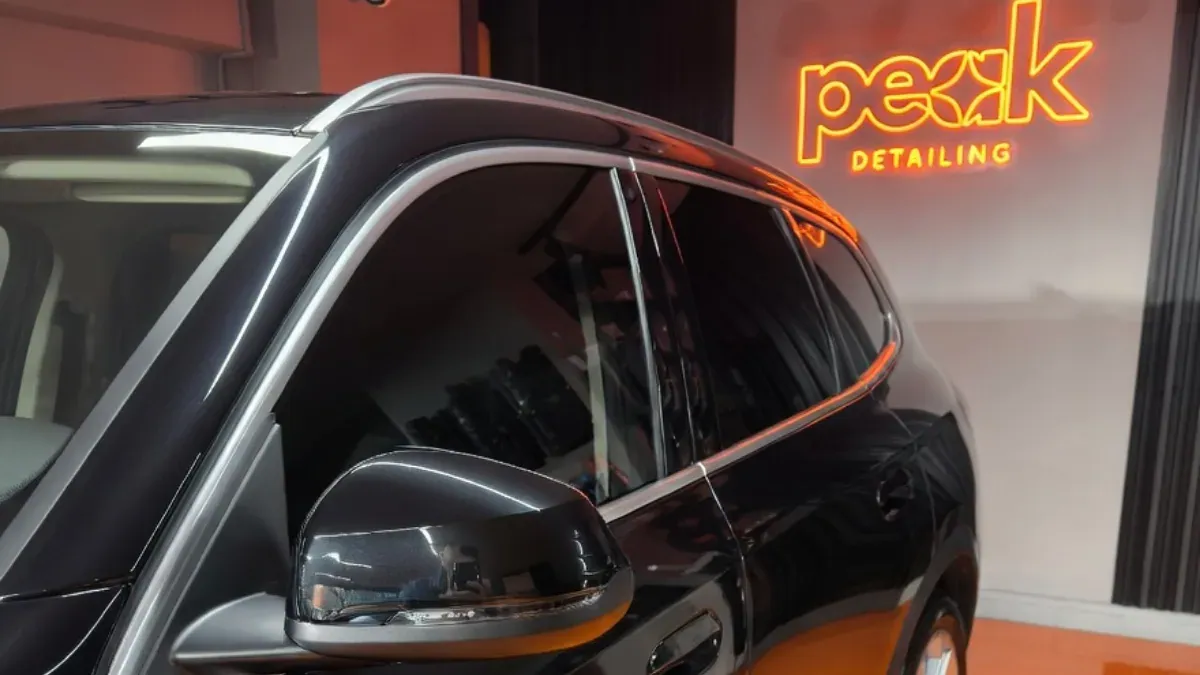
For the application environment, film and shade options, and booking, see our window film service page.
Aftercare for Window Film
Aftercare following the application matters for the film's edge stability and surface appearance.
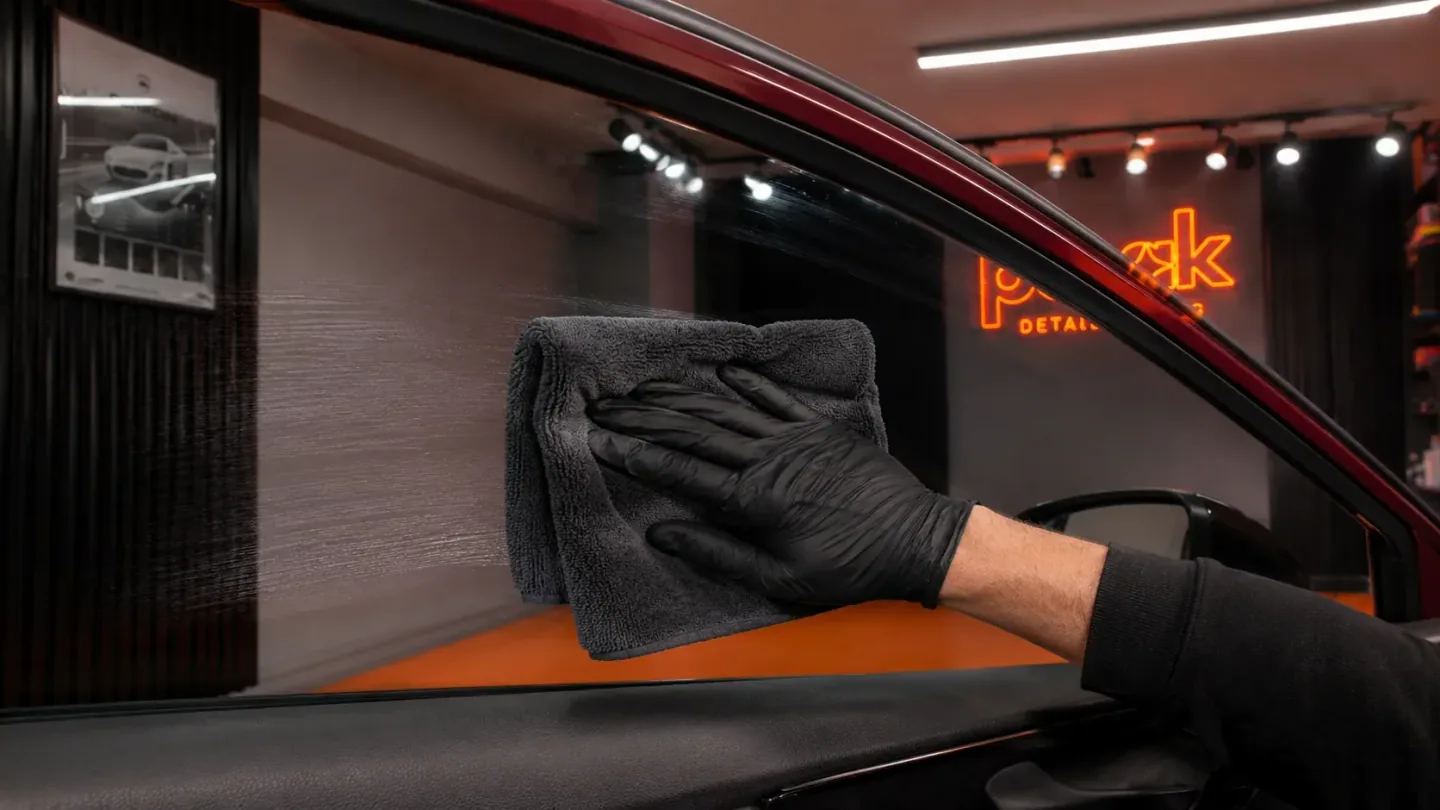
- In the first few days, you should wait the period specified by the installer before rolling down the windows.
- For cleaning, use a soft microfiber cloth and non-abrasive, neutral glass cleaners.
- Blades, scrapers, stiff brushes and abrasive cleaning materials should not be used.
Frequently Asked Questions
What does automotive window film do?
Does window film keep the car interior cooler in summer?
Does window film reduce UV rays?
What is the difference between VLT, IR rejection and TSER?
Does darker window film provide better protection?
What is ceramic window film?
Is window film legal in İstanbul?
Can window film be applied to the windshield?
How is window film assessed in the TÜVTÜRK inspection?
How many years does window film last?
Does window film leave a residue when removed?
Why does the price of window film vary from car to car?
What should be considered when cleaning window film?
Sources
Technical values can vary depending on the product line, the test glass, the measurement method, the country and the current document. Before application, the relevant manufacturer or distributor document should be taken as the basis.
- International Organization for Standardization. ISO 13837:2021 — Road vehicles — Safety glazing materials — Method for the determination of solar transmittance. iso.org
- International Window Film Association (IWFA). Automotive Education Guide — technical explanations regarding TSER and IR rejection measurement ranges. iwfa.com
- 3M. 3M™ Automotive Window Film Crystalline™ Series — Technical Data Sheet, Revision F, August 2025. 3m.com
- XPEL. XPEL PRIME™ — USA Specification Sheet, Rev. 0523. xpel.com
- LLumar / Eastman Performance Films. Automotive Window Film Performance Data — North America. llumar.com
- SunTek / Eastman Performance Films. Automotive Window Film Specifications, 2024. suntekfilms.com
- IARC / WHO. IARC Monographs, Volume 100D — Solar and Ultraviolet Radiation. publications.iarc.who.int
- UNECE. UN Regulation No. 43 — Safety Glazing Materials. unece.org
- TÜVTÜRK. Frequently Asked Questions — assessment of window film in the periodic inspection. tuvturk.com.tr
- Governorship of Samsun (Republic of Türkiye). Statement on non-standard window film; reference to Article 63 of the Highway Traffic Regulation. samsun.gov.tr
- Turkish State Meteorological Service (MGM). İstanbul Official Climate Statistics, measurement period 1950–2025. mgm.gov.tr